The Table as Theology
“When he was at table with them, he took the bread and blessed and broke it and gave it to them. And their eyes were opened, and they recognized him.”Luke 24:30-31
So far, we’ve talked about intentionality, relationship, contentment, beauty, rest, order, and rhythm as keys to a welcoming home. I hope you’ve been encouraged, as I have, that none of these require an exorbitant price tag. In fact, many of these things are inexpensive or even cost nothing at all.
Let’s look at one more thing that can make a home a place of blessing: the table.
What I Discovered
This past weekend, I facilitated a mini retreat for homeschool moms. After some extended quiet time with the Lord, we gathered together for a meal. Though it was take out sandwiches on a paper plate balanced on our laps, it was a satisfying time. Why was that?
As I reflect, I realized several things:
Hospitality is a gift of the heart.
Our host did not have a large home but I could tell everything was placed with the others in mind. Even without a large dining table there were small, strategically placed end tables that allowed us to put our drinks and plates down as needed.
Add warmth with flexible pieces that can be used in multiple arrangements.
Instead of investing in larger furniture they invested in comfortable folding chairs that could allow for flexible seating indoors or out. Long rectangular tables provided portable surfaces throughout the backyard for serving and other things, each covered with an inexpensive but colorful elasticized tablecloth.
Keep food preparation simple and the conversation rich.
We ate takeout sandwiches, a prepared bag salad, a bag of chips and bottled water. It was easy to serve. What made it rich was the discussion we had after our time of retreat. Meeting with Christ softened our hearts and shaped our words. Even though there was no dining table, we had such meaningful conversation and time to encourage one another.
And that’s what I realized. Far more important than the meal or even the setting is the presence of Jesus.
This awareness of the presence of Jesus is not something we can orchestrate. But it is something we can embody. The home is the simply the backdrop, the setting.
What matters most is the presence of Christ—and that is available to us, regardless of the size of our house. And when we come around that table (whether we actually have one or not), something of eternal value happens.
What Happens at Tables
When we sit together for a meal. we are all at the same level. This lowers defenses, as we, in our ordinary experience of hunger share in this common need of food. At the table we are simply people, sharing food, sharing life.
This vulnerability and human weakness of needing to be fed can also be why we often have great conversations around the table. Time slows down as we eat and connect. If we let it, mealtimes can slow the pace of our hectic and hurried lives down so we can have that margin to connect with each other.
This is why I love having friends over. Even though it does require a bit of shuffling around, moving things out to create space, I am glad to do it. We don’t have a separate dining room but we can enlarge the table with an extra leaf. In a pinch, our laps can be a flat surface!
The lingering I most remember from meals that mattered was never about the food. It was about what the slowness made possible. Time to share ideas. Stories shared and milestones celebrated. Laughter at our kids’ funny antics. Even hard conversations discussing our sorrows or suffering.
The Table in Scripture
When we take care to focus on our meals, we are in some way remembering all the meals God has prepared for his people. From the Passover to the Last Supper to the marriage supper of the Lamb, God keeps returning to the meal as his primary image of communion with his people.
Jesus knew this and he created that environment in that very last Passover meal with his disciples. It wasn’t even in his own home, but a place borrowed from another. From the foot washing to the meal itself, it was thoughtfully orchestrated. It was a time of remembrance, preparation, and presence. Hard things needed to be said, but it was made meaningful as Jesus shared truth and promise.
While our ordinary meals do not share this sacramental nature, It does remind us that remembering Christ’s presence, speaking of what He is doing now, and encouraging each other to hope in what is to come can make dinner a feast. As we share in these ways, we anticipate the feast to come and the communion with our Savior and one another that we will share one day.
Yes, our dinner tables are not the Lord’s table. But it can be a reflection of it that points to this feast we will one day enjoy.
The Most Important Thing at the Table
If this is what our tables are meant to reflect, then what guests actually need when they sit at our tables is not impressive food or a well-appointed dining room. It is unrushed time. Genuine presence. The energy to engage rather than merely serve.
I have hosted meals for ministry for many years. I cannot recall a single time someone mentioned what I served afterward. What they ministers to them most—and what they remember—is the conversation. The feeling of being unhurried. The sense that there was room for them here, that they were not an imposition but an anticipated guest.
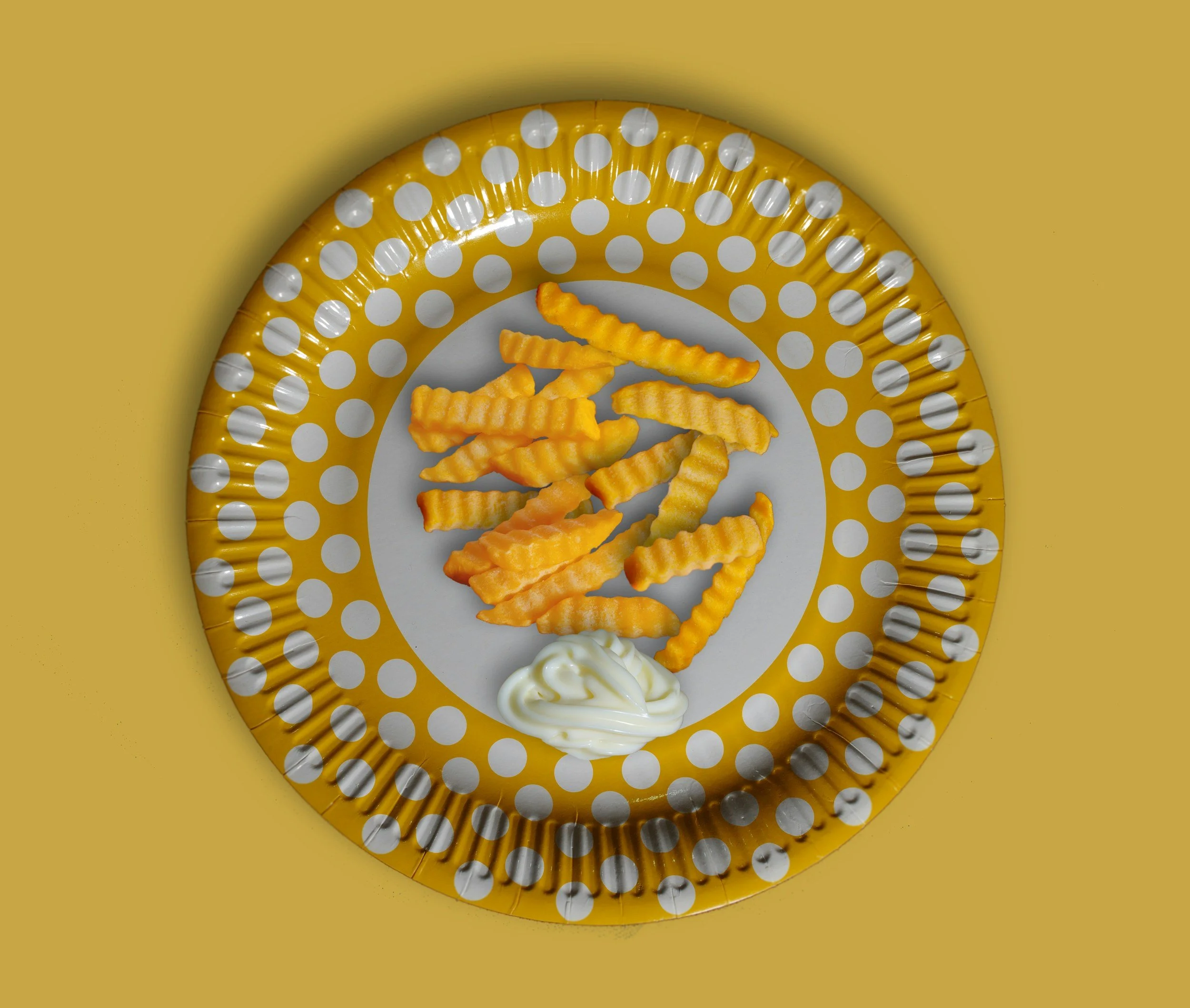
This releases us from a great deal. So even if you only have a card table--or maybe just a paper plate!—it still can be welcoming because it’s about your presence. The important factor is you; what you eat is the icing on the cake.
So your meal can be simple. Your dishes and flatware don’t need to match. While it’s nice to have a formal dining room, most people won’t even notice if you don’t have one.
Instead of worrying about those things, let’s bring ourselves first and foremost: our presence, unhurried time, and willingness to pay attention to the person sitting across from you. Even if all you could offer is a glass of water, that is more than enough if you are fully there.
The Value of Family Meals
This is also where everything this series has been building comes together. The table is where beauty, rest, order, and rhythm converge into a single daily act.
Eating together, however, is a lost value. After-school activities, meetings, or lessons can easily crowd out dinner time. And even if we do eat it together, it could be late, and then there’s the evening bath routine or homework or prep for the next day that could make it rushed.
One of the hardest things as a mom who desires the best for her family is knowing where to draw the lines. And in order to have time for this meal, we need to see its value in light of the big picture.
It’s easy to think we’ve got thousands of meals in the lives of our children. What’s the big deal if we miss a meal?
Yes, it’s not a big deal to miss one. But what I’m concerned about is how skipping one makes it that much easier to skip another, and another, and another. The exception can easily become the norm, especially when it comes to all the demands.
For that reason, I encourage parents to choose this as a value—not because it’s more godly, but because relationships, the things that matter, cannot just be stuffed in. They take time and require a leisurely pace. Certainly, our culture today is not going to make it easy for us. We need to choose it ourselves.
But better than a fancy home is a table for our own families where good food is served. Home cooked is great, if you have the time. I have built a collection of simple pantry meals my family likes and keep my home stocked with those ingredients. I have also taught my kids to cook, to help me when life is busy.
Even if you have to get takeout, eat it together at the table. Put calming music on or light a candle to slow the pace down. Ask one question, like:
What made you laugh or smile today?
What is one thing you learned or discovered today?
What was the part of the day you wish you could do over?
Allow everyone a turn to share. These give focus to your conversation and gives you time to celebrate and learn about one another.
From My Home to Yours
This week, choose one meal—just one—and protect it from rush. Set the table with one simple beautiful touch. Ask one real question. Stay until everyone is finished. Notice what the slowness makes possible that efficiency never could.