Rest as Resistance
"Come to me, all who labor and are heavy laden, and I will give you rest."—Matthew 11:28 (ESV)
Despite all the writing I’ve done about rest, I’m still struggling to practice it!
There are seasons — and I am in one — when home feels less like a refuge and more like a place of demand. Do you feel that way too? Once you enter the house, the onslaught of things to do hits you in the face. It seems like every pile or sink of dirty dishes or cobweb reminds you of what is yet left to do. In those moments, the idea of rest feels like something you will get to eventually, when things settle down, when the hard season passes.
If you have ever felt that way inside your own home, I want you to know I am not writing this post from the other side of that feeling. It is my daily reality too.
Which is exactly why I also need what this post is about.
Rest is in a Person, Not a Place
Jesus does not say go somewhere quiet and you will find rest. He says come to me. The rest he offers is not an environment. It is a relationship — the soul returning to the one who is strong enough to carry what she cannot, who is present enough to bear what she must endure, who is good enough to be trusted with what she cannot control.
Rest, at its deepest, is not the absence of difficulty.
It is the presence of someone who is not overwhelmed by it.
This means the most restful home is not the one that looks most peaceful or tidy. It is the one that most consistently points its inhabitants back to Christ.
Our physical space matters — but it is always downstream of the heart. No arrangement of furniture, however thoughtful, will give a restless soul what only Jesus can. What a well-ordered space can do is create conditions in which the soul is more likely to remember where rest actually lives — more likely to practice the returning, more likely to hear the invitation underneath the noise.
That is not a small thing. But it is a different thing than we sometimes hope interior design will do for us.
Resisting the Temptations
Remember: God built rest into creation before the fall. Before exhaustion. Before sin. Before anyone needed to recover from anything. He designed not only the physical home for Adam and Eve but also its rhythms.
The Sabbath was not designed as a reward for finished work. It was woven into the rhythm of existence itself, which means rest is not something you earn. It is something you are invited into, whether or not everything is finished. And in a culture that has no category for stopping, accepting that invitation is a countercultural act.
A home that protects rest is pushing back against something. The chair that is actually sat in. The evening that actually winds down. The day that is genuinely different from the others.
These are not merely pleasant domestic choices. They are quiet declarations: we do not live by the world's rhythms here. We live by God's. Rest is not passive. It is one of the most countercultural things a Christian home can practice. And it does not require square footage. It requires conviction.
The small home has a genuine advantage here worth naming honestly. Less space means less to manage, less visual noise, less demanding your attention when you walk through the door. I have experienced this myself in small spaces away from home — how much lighter it feels when the environment makes fewer demands.
A simplified space is not just aesthetically calmer. It is spiritually less distracting. It makes turning—and returning—to Christ easier because there’s less to keep us away from Him.
Creating a Place for Rest
If the heart is primary and the space is downstream, what does it look like to tend the space in service of the heart? Practically speaking, here are some ideas to encourage this restfulness:
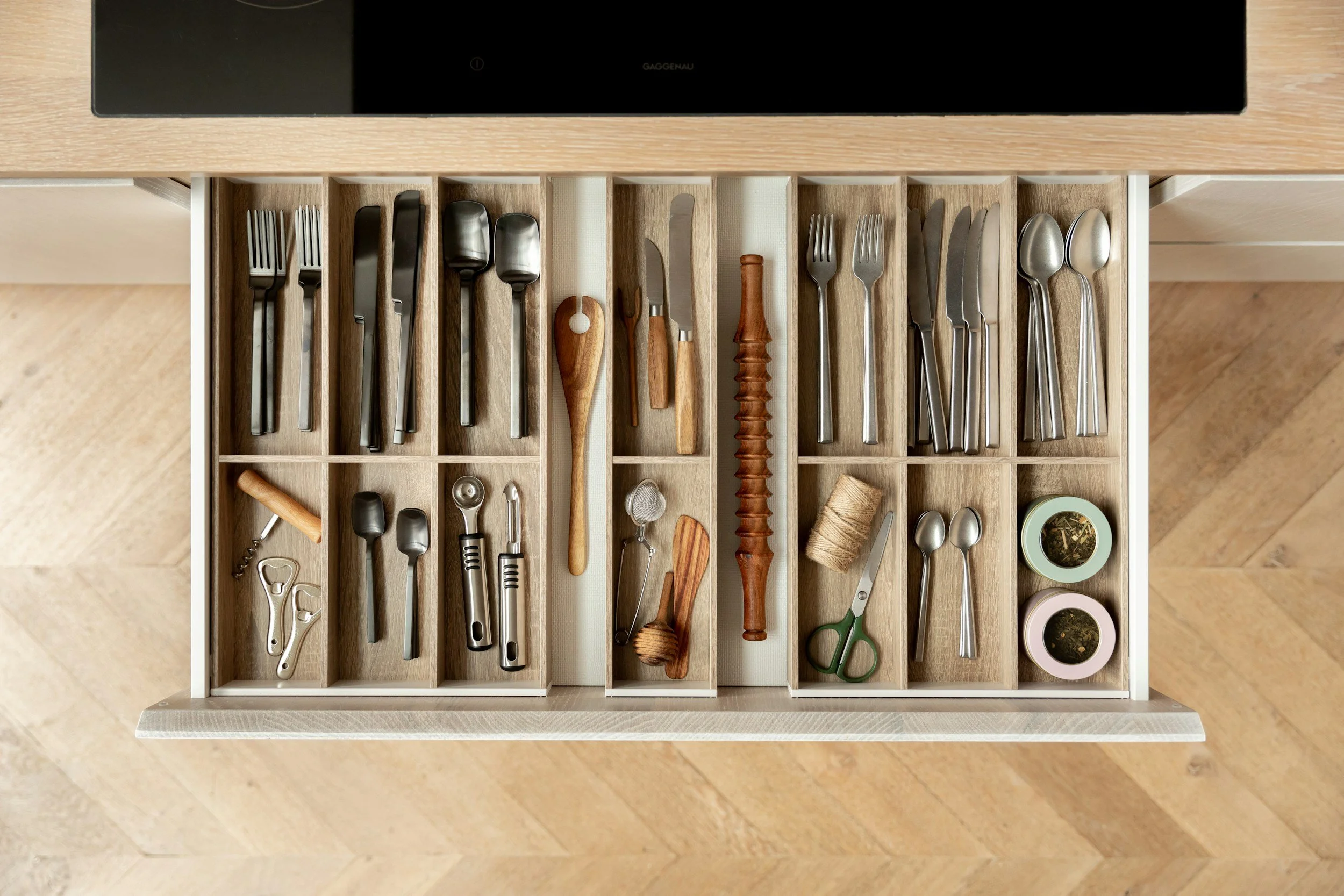
Reduce visual noise.
A cluttered, busy space makes quiet demands on attention even when you are trying to rest. Cleared surfaces, edited shelves, stored-away unfinished projects are ways we can bring rest into our space. In some ways, it is like showing hospitality to your own soul. When the eye has somewhere to land that makes no demands, the mind is more likely to follow.
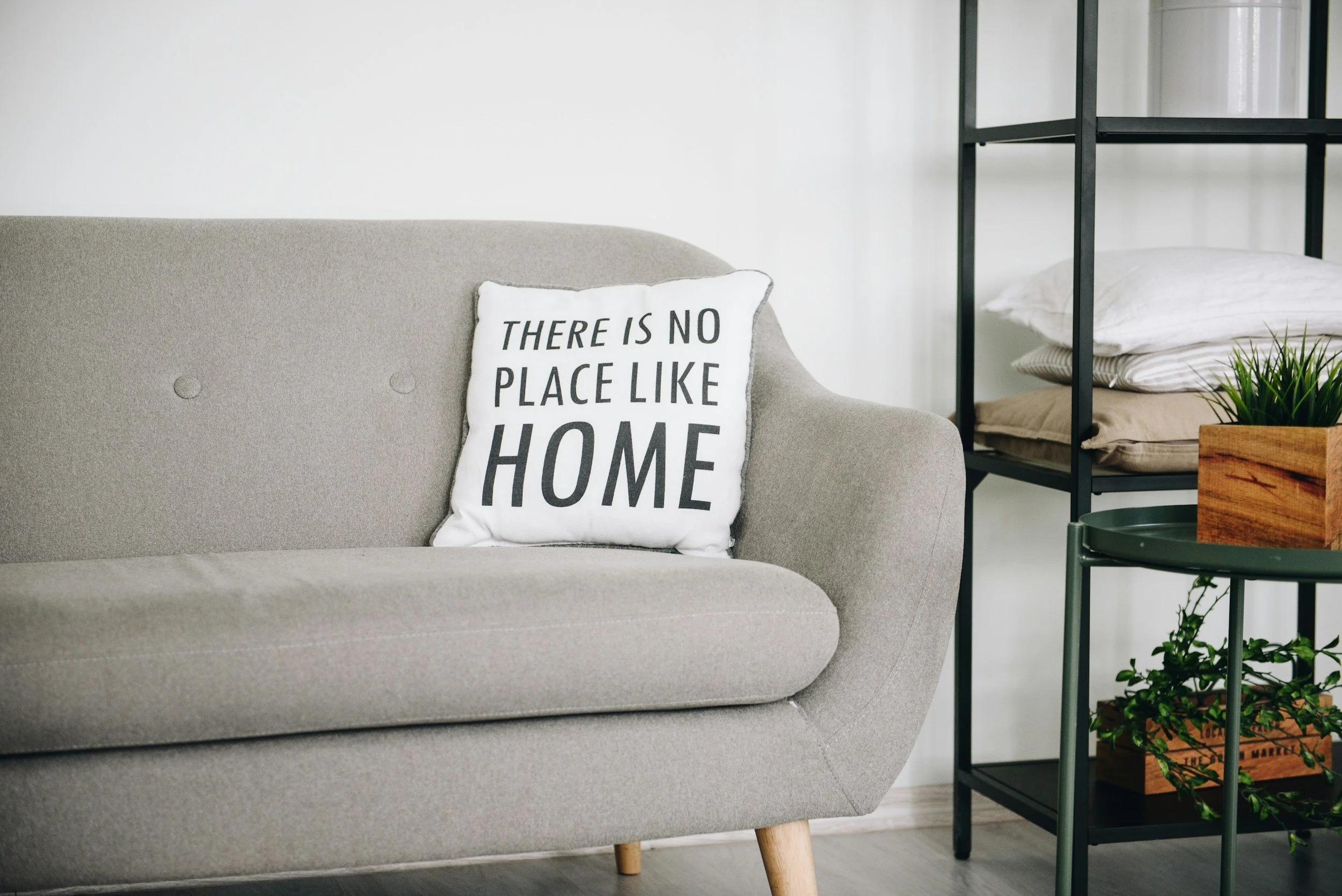
Designate one rest spot and protect it.
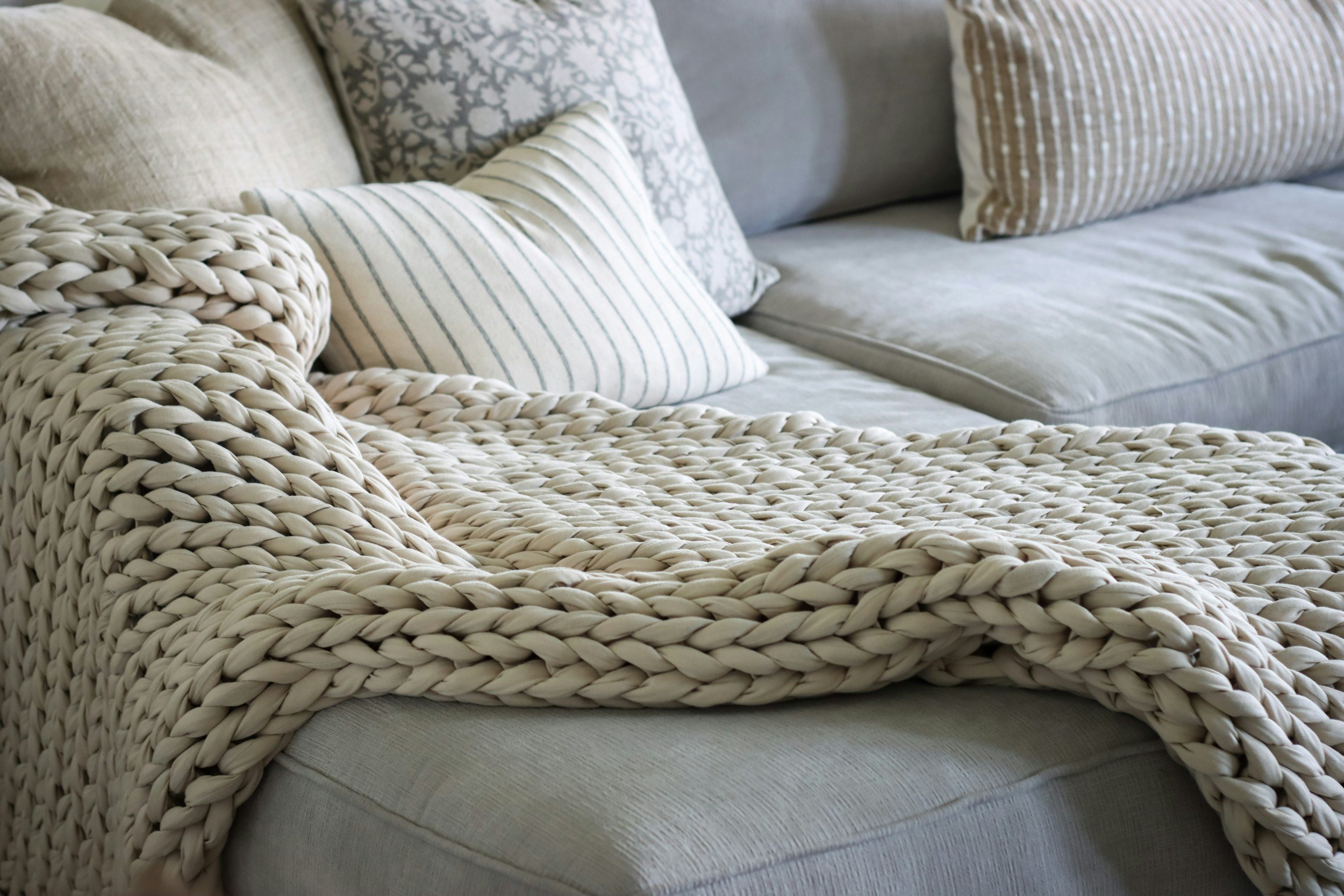
A chair, a corner, a particular window. Something your body learns to associate with stopping. Make it physically inviting, with a blanket, soft light, or something warm to hold—and use it consistently enough that arriving there is like accepting Christ’s invitation to come and rest.
Create time markers.
Some things for me include a small evening ritual that signals the transition from work to rest. Or a morning routine before the demands begin. These are not meant to be legalistic rules. Rather, they are the architecture of a life that has room for stopping built into it.
Tend the senses.
Try soft lamplight rather than overhead lighting in the evening. A candle lit at a consistent time to mark the beginning of your winding down or the start of a meal. Play quiet music. The body registers these things before the mind catches up, and they can signal rest is available even when the heart needs a moment to believe it.
None of these will manufacture rest. But they can create a space in which rest is easier to receive — in which the soul is less distracted, less demanded upon, more able to hear the invitation that is always being extended: come to me. I will give you rest.
That invitation does not require a larger home. It does not require a finished to-do list or a resolved hard season or circumstances that have finally cooperated. It requires only the willingness to come — to stop, to return, to receive what is being freely offered.
The restful home is the one that keeps making that easier to do.
From My Home to Yours
Identify one space in your home — even a single chair — that you will designate as your rest spot this week. Clear what is around it. Make it physically inviting. Sit in it today for ten minutes with nothing to accomplish. Notice what it takes to actually stop.