Your Home: Someone's Refuge
"God is our refuge and strength, a very present help in trouble."--Psalm 46:1 (ESV)
If money were not an issue, I would love to run a retreat home.
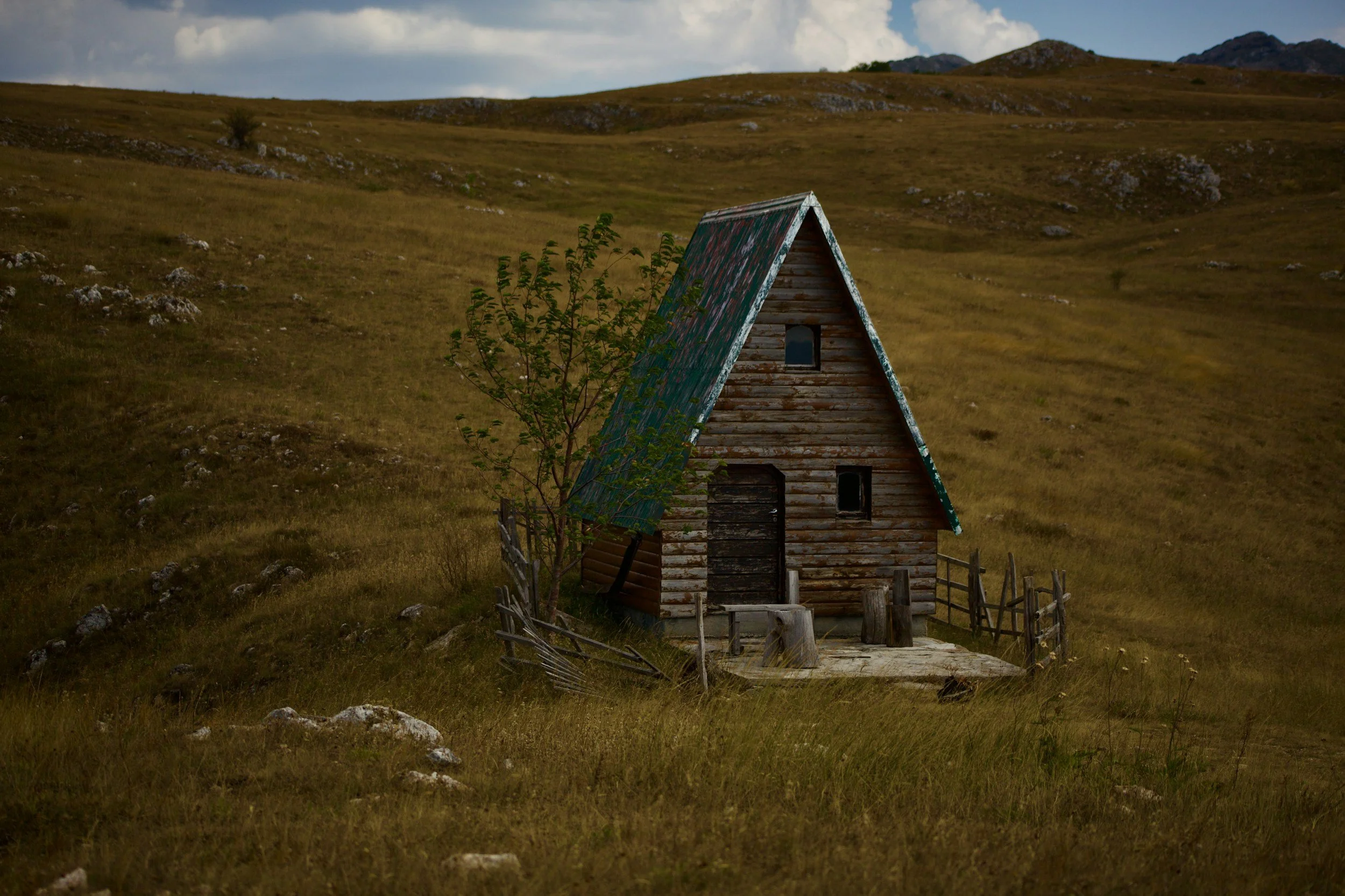
Not a grand one. Just a simple one, a place set apart for the purpose of turning toward God, where someone could come when the weight of ordinary life had become more than she could carry.
I have been to places like this over the years—some of them just small rooms with simple furnishings—certainly nothing impressive! But what they gave me was not comfort in the conventional sense, but something more specific: the permission to stop. These little rooms gave me space to pull away from the fray, reorient and then be sent back out again.
I think that is what refuge actually is. Not luxury. Not impressive surroundings, but the permission to stop performing and reset my heart back on Christ.
What Refuge Requires
Psalm 46 makes it clear that God is our only refuge. The safety, the strength, the very present help in trouble—these are his to give, not ours. It will never be found in a location. Only in a Person.
What a home can do, however, is point toward that refuge. It can create conditions in which someone is more likely to find her way to it. It removes the obstacles that make it harder to exhale and turn toward God when life has been too much.
I have experienced this in someone else's home. Whenever I went to her house, though it was small, I felt full as I left. As I have mentioned before in this series, these kinds of homes--full of life and warmth—usually have nothing to do with size or décor.
Rather, it was about the hostess. She listened well. She always had something simple available to drink and a snack, and none of it elaborate. She decorated out of joy in the small things instead of a desire to make an impression, which meant her home made no demands on me to perform in return. I was not intimidated there; I was simply welcomed. And for someone who spent considerable energy in those years trying to appear more capable than she felt, that welcome was a profound gift.
I’ve kept up with this friend, and what strikes me now is that this quality has traveled with her. Across years, across moves, across homes of different sizes in different cities, every space she has tended has had the same quality.
Because the refuge was never in the property. It was in her. It was in the way she received people before they had composed themselves, the way she listened without an agenda, the way her home communicated without words: Come and sit down, just as you are. You don’t need to fake it with me.
The Gift of Home
I’ve always thought bigger is better when it comes to homes. However, after staying at various Air BnBs over the past few years, I have come to see that small homes have their own advantage. There is something a small but warm home gives that a large or impressive one cannot always give: it does not intimidate.
The woman who is tired of performing (and I am sure I’m not the only one here!)—that woman needs somewhere she can check that performance at the door. A home that is too carefully curated, too impressive, too obviously beyond what she has, can unwittingly ask her to perform even as she walks through it.
On the other hand, a home that is warm and simple and honest says something different. It says: we are not trying to be more than we are here. You don't have to be either.
I know what it costs to perform when you are exhausted. I know the heaviness that comes from maintaining an appearance of capability you do not feel. And I know, because I have been on the receiving end of it, what it means to walk into a space where none of that is required. It is one of the most genuinely restful experiences available to a human being.
This is the gift a small home can give. Not despite its size and simplicity but because of them.
Offering Refuge
Sometimes offering refuge goes beyond inviting someone into your physical space. It is extending refuge by being a safe place for someone else to land—with all their mess, their burdens, their brokenness. I’m still learning how to be this kind of person.
My home becomes an extension of that kind of safety. As I learn to offer that refuge first, before others can explain or apologize, even when they are at their lowest point, I can offer a tangible picture of the compassion and kindness of God.
Sometimes it’s simply a hug at the door before you know how someone's day has been. Something warm offered before anyone has said what they need. It’s inviting them to pull up a seat on the couch and then settling them in comfortably with a glass of chilled water or a warm cup of tea. They know they don’t have to earn their welcome or get themselves into a good enough state to receive it.
In this way, refuge moves toward people. It does not wait for them to get themselves together first.
The Overflow
My ability to do this is not something I can generate for myself, for only God is our true refuge. I might imitate him in my welcome, but I cannot sustainably do this unless I find my own refuge in God first. I’m not saying that we need to be perfect or feel right with God every single moment, but I do want to be growing in it.
We work so hard to keep ourselves together, to be presentable. And sometimes we do this with God too. I feel like I have to clean up a little before I approach him.
But that is not the way of the Father. Think of the prodigal son, who came home hanging his head. And how did his father greet him? With open arms, even before he was able to finish his rehearsed speech.
This is not a technique but a spiritual reality. As I experience being received by God before I’ve gotten my act together, when I feel most broken and discouraged, or in the midst of a season where I don’t have the answers, I grow in understanding his heart for me. He is the only refuge underneath all other refuges.
As we find rest in him—genuinely, not just theologically—that rest has a way of expanding outward into the atmosphere of our homes, into the quality of presence we bring to the people who enter. When the Lord is my refuge, I can become like Him as I open my home in refuge to others as well. In this act of service, I can reflect the God who welcomes the weary.
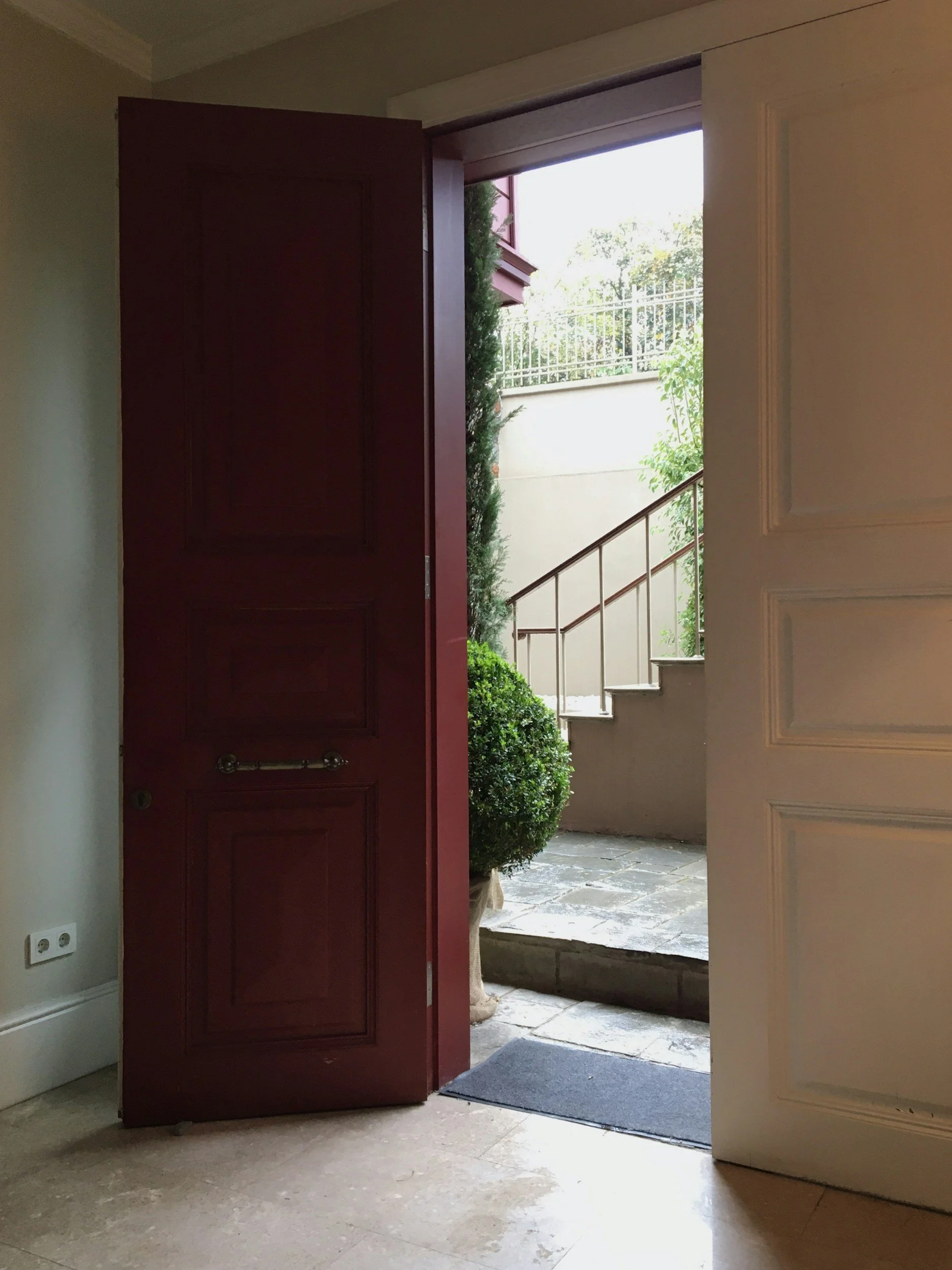
That is what I want my home to be. Not impressive. Not curated, but warm, gracious, and safe—so that someone who is carrying more than she can manage might walk through the door and, for a little while, be allowed to set it down.
From My Home to Yours
Think of one person in your life who is carrying something heavy right now, someone weary and tired. What would it look like to extend refuge to her this week, not when your home is ready, not when the timing is perfect, but now, in whatever form your home and your presence can offer it?