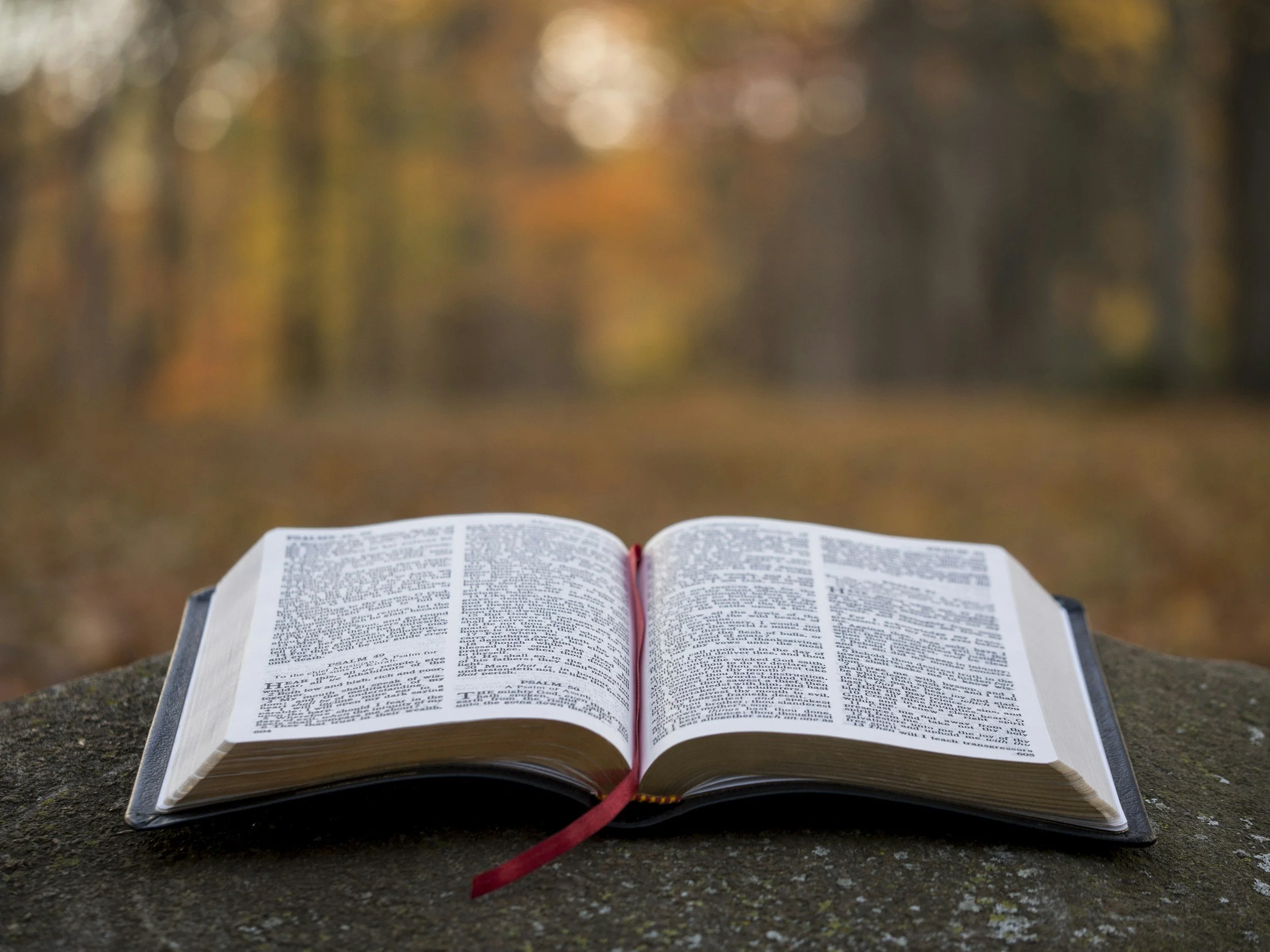
Learning From Faithful Voices: Reading as a Disciple
“An intelligent heart acquires knowledge, and the ear of the wise seeks knowledge.”—Proverbs 18:15 (ESV)
[This blog series is a reflection on some of the themes I have written on this blog.]
Walking in the ways of Christ in our day and age can sometimes be challenging. While Scripture must remain our supreme authority, I have come to appreciate the secondary role of books as one means God has given the church to help us connect the dots.
Sometimes it can be difficult to connect what the Bible says to our lives today. After all, it is an ancient text, and its truths can feel hard to translate into the realities of the twenty-first century. That is one reason I value reading books—not as equals to Scripture, but as applied wisdom that helps bridge that gap.
Even though I’ve been a believer for more than half my life, I still struggle with a limited perspective. I need the voices of other saints in the church, and books are one form of wise counsel that I deeply appreciate. Good authors are often able to put words to truths and experiences that are difficult to articulate. As they often share from their own lives, they have helped me learn how to live out Scripture faithfully today.
Of course, not everything written in a book is true. I still need the help of the Holy Spirit to exercise discernment in what I read. The books I recommend on this blog, however, are ones that I have read, learned from, and been shaped by—whether in seasons of growth or suffering. You may or may not share my opinions, and that is completely okay!
Reading As a Disciple, Not a Consumer
It has been a long time since I’ve been a student (though that is about to change soon!), and it took me awhile to get back into the reading groove. During my undergrad years, like many of us, pleasure reading took a back seat to required reading. While I enjoyed reading as a child, I’m not one of those diehard readers who read at every opportunity.
Eventually, though, I discovered that there were many wonderful books with compelling titles that made me realize, “Yes, I actually want to learn about that!” If you were to look at our bookshelves (or my Kindle) now, you’d quickly get a sense of what captures my interest.
With so many good books available, however, it can be easy to collect books instead of reading them (guilty as charged!). Over time, I’ve learned to ask myself a few questions so I read with intention rather than just information.
Before You Read
Before you begin, try to read with a clear purpose in mind. As you read the introduction, you may discover that the book does—or does not—address what you are looking for. This gives you freedom to set it aside without guilt. (Yes, you’re allowed to do that!)
What current life circumstance, pressure, or decision do I need wisdom for right now?
Are there limits to my capacity at this moment?
Am I in a particular season where I need guidance or clarity?
What feels weighty? Where do I feel stuck, weary, confused, or tempted?
Does this book intersect with my current season? What is its central premise or problem? What hope or correction does it offer?
While You Read
I usually read with a highlighter or notes app in hand. I’ll admit that I tend to highlight everything—but I eventually realized that this kind of reading mirrored how I read in college, which is primarily to grasp concepts.
Now that I’m not in school and cramming for an exam, I try to read differently. Instead of reading only for content, I read for what resonates, convicts, or equips. I assign different types of insights to different highlight colors (you can do this with physical highlighters or on your Kindle app) so I can keep track of why I highlighted something. While it takes more effort, this approach helps me to move reading from information to transformation (and helps me find what I want more quickly!).
I also like to take notes and interact with what I read. Sometimes I’ll copy a meaningful quote and then jot down how it connects to my own life. Other times, I’ll note where a passage challenges a fear or exposes resistance in my heart. These are also ways God can use books to shape us.
After You Read
As satisfying as it is to place a finished book back on the shelf, I’d encourage you to pause and identify at least one way to apply what you’ve read. It doesn’t need to involve a major life overhaul—often it’s a small step.
For example, after reading Justin Whitmel Earley’s The Common Rule, I felt convicted to begin my day with kneeling prayer. I didn’t follow his suggestions exactly, but I adapted them to fit my own life situation. More than five years later, that practice has remained—and even though I don’t remember anything else, that one change has been personally transformative.
Reading For Transformation, Not Accumulation
As I’ve gotten older, I’ve become convinced that reading one book that helps you take a step towards Christ is better than reading fifty books you barely remember. I confess: if they were a “hoarders” show for knowledge, I would probably be on it!
But stockpiling insight without obedience isn’t the goal. Most godly Christian writers don’t want us merely to read their books; they pray that God would use their words to bring real change.
That is my hope for this blog as well—not that you read every post, but that the one you do read encourages or shapes you in some way. If you love, trust, obey, and serve Christ more faithfully after reading even one post, that brings me deep joy—and I suspect most authors would say likewise.
Below are the books that have helped shape me. I’ve organized them into categories for ease of reference. I hope you’ll find one that encourages you as they’ve encouraged me.
May the Lord give you discerning ears and a receptive heart as you learn from faithful voices under His Word.
Book Reviews on This Blog
Spiritual Formation: Habits, Prayer, and Worship
Suffering, Hope, and Endurance
Emotions, the Heart, and Biblical Counseling
Marriage
Bible Study, Gospel and Theology